Firmware and Embedded

What Embedded Firmware Covers

Embedded firmware development covers everything that runs on a product’s processor: choosing the platform, the drivers that talk to the hardware, the application logic, wireless connectivity, power management, and the bootloader and update path that keep the product maintainable after launch. At PDE, firmware developers work in the same team as the electronics designers, help choose the processor, and start writing code on development kits before the custom board exists.

  • Platform & Architecture

    The simplest platform that meets the product's needs, with the processor sized to the firmware.

    • Bare-metal C/C++
    • FreeRTOS, ThreadX, Zephyr
    • Embedded Linux
    • Processor selection
    • FPGA (Verilog, VHDL)
  • Drivers & Interfaces

    The code that talks to the sensors, displays, and controls on the board.

    • Board bring-up
    • Sensor drivers
    • Displays and touch
    • TouchGFX interfaces
    • Application state machines
  • Connectivity & Updates

    Radios, cloud connections, and a way to update the product after it ships.

    • WiFi, BLE, Z-Wave
    • MQTT
    • Bootloaders
    • Secure boot and code signing
    • OTA updates
  • Power & Maintenance

    Firmware that runs longer on a battery and stays workable for the life of the product.

    • Low-power design
    • Power budgets
    • Memory optimization
    • RTOS migration
    • Documented coding standards
Choosing the Platform

Bare-Metal, RTOS, or Embedded Linux

Use the simplest platform that meets the product’s timing, interface, and power needs. Bare-metal suits single-purpose devices, an RTOS suits a microcontroller juggling several jobs with deadlines, and embedded Linux suits products that need a camera pipeline, a rich display, or large software libraries. PDE builds on all three, including FreeRTOS, ThreadX, and Zephyr, and helps choose the processor so it has the memory and peripherals the firmware needs.

  • Bare-metal C/C++: a main loop and interrupt handlers with no scheduler. The smallest footprint and the least overhead, and the easiest to reason about. A good fit for a sensor node, a simple controller, or an accessory.
  • RTOS (FreeRTOS, ThreadX, Zephyr): a scheduler on a microcontroller such as an ARM Cortex-M. A good fit when a radio stack, a display, sensor sampling, and user input all have to run at once and meet their deadlines. Zephyr also brings its own networking and Bluetooth stacks.
  • Embedded Linux: an application processor with external memory. A good fit for camera pipelines, rich graphical interfaces, filesystems, and large third-party libraries. The cost is more power, a longer boot, a higher bill of materials, and an operating system to maintain for the life of the product.
  1. List what runs at the same time. One job points to bare-metal. Several independent jobs point to an RTOS.
  2. Find the hard deadlines. Motor control, radio timing, and sampling rates decide how much scheduling precision the platform needs.
  3. Check the power budget. A product that has to run for months on a battery rules out most Linux-class processors.
  4. Then choose the processor. Flash, RAM, and peripherals are sized to what the firmware needs.

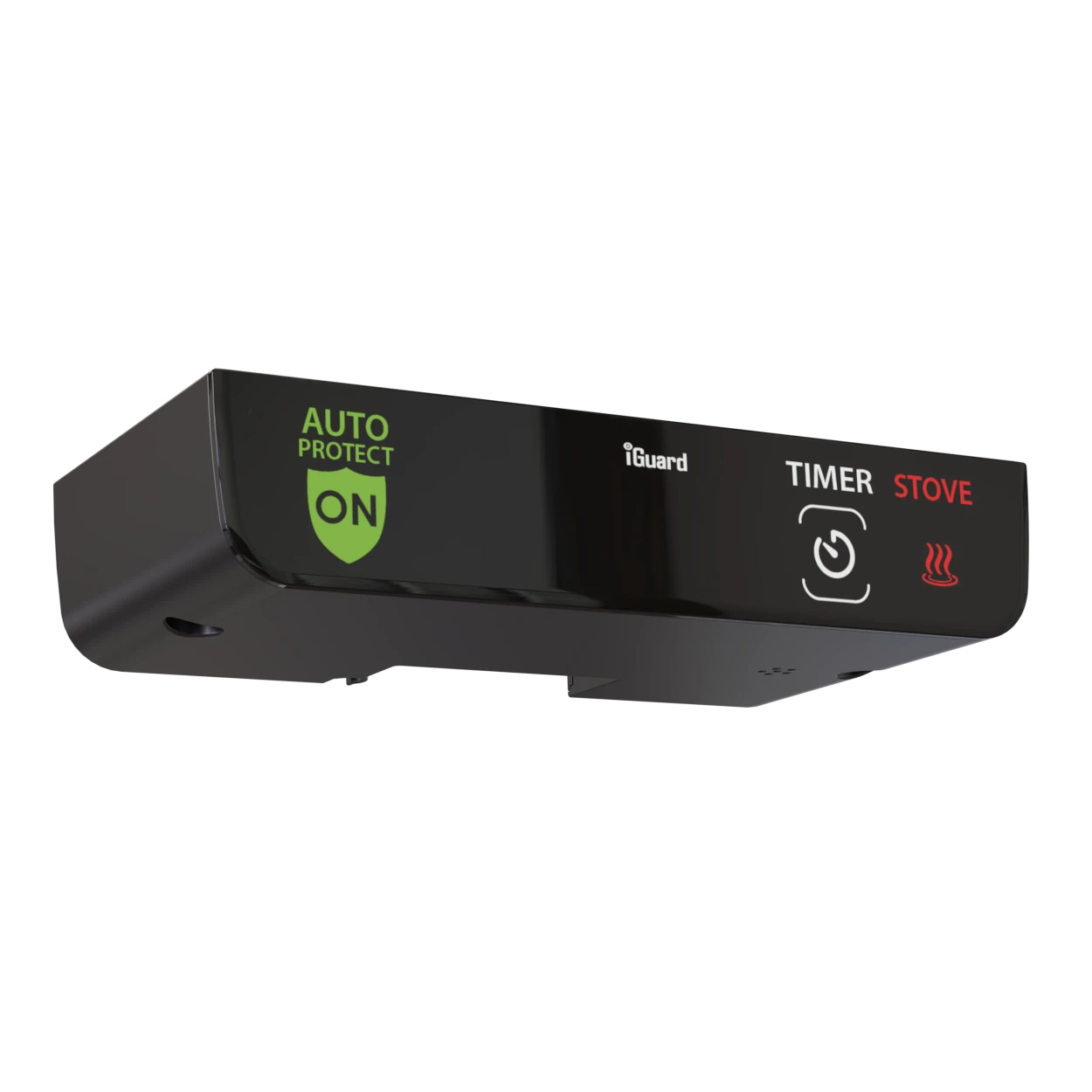
The iGuard handles radar, touch, temperature sensing, three wireless protocols, and its display on a single ARM Cortex-M33 microcontroller. The 3Z RF Vision needed an augmented reality overlay on a live camera feed, which called for embedded Linux: PDE built that system from the ground up and tuned the OS configuration for the device's memory and processing constraints. When a function needs tighter timing than software can promise, such as high-rate data acquisition, PDE designs FPGA logic in Verilog or VHDL.
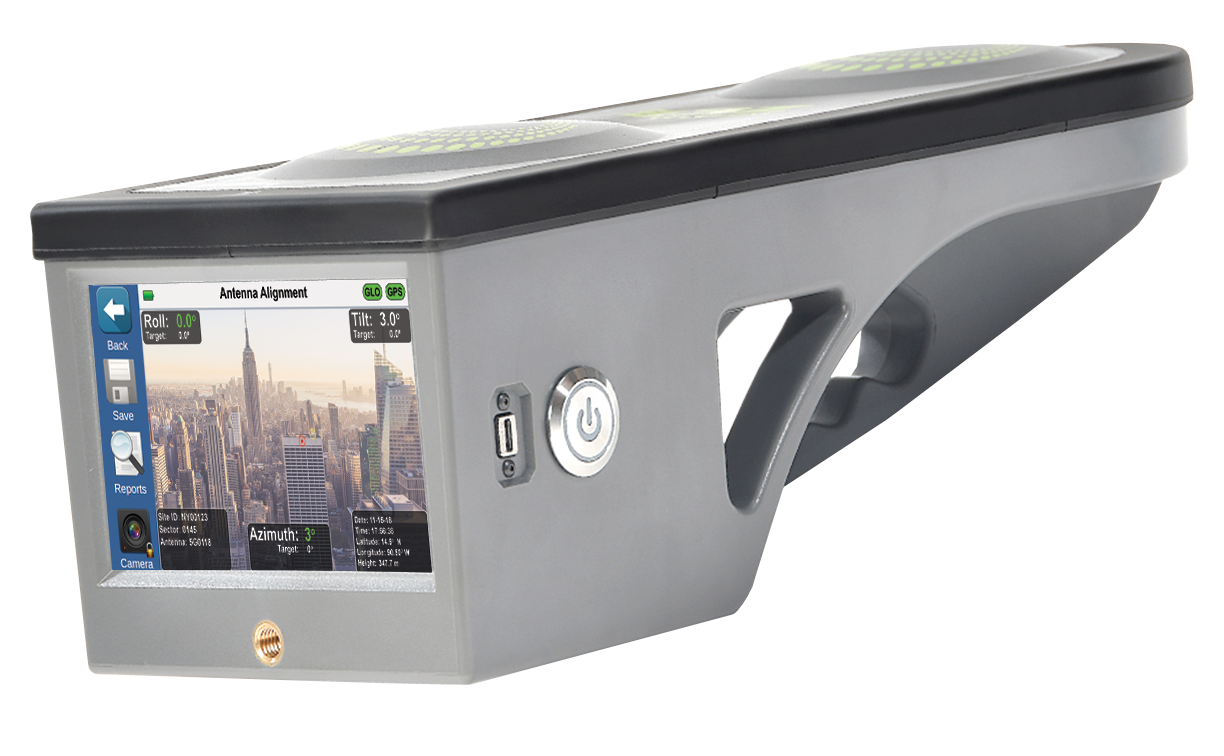
The 3Z RF Vision handheld antenna alignment tool showing its embedded Linux AR interface on the touchscreen
Firmware and Hardware Together

Firmware Written Alongside the Board

Most firmware problems trace back to decisions made on the board, and most board decisions are easier to get right with the firmware in mind. The processor, its memory, which pins and peripherals the firmware gets, and how power is switched all set limits the code has to live with. When one team designs both, those trade-offs are settled in a design review instead of discovered at bring-up.

  • Choosing the processor: firmware developers help pick the part, so it has the memory, peripherals, and low-power modes the code will need.
  • Starting early: firmware is written on development kits while the custom board is still being designed, so it is ready when the first boards arrive.
  • Bring-up: when a new board doesn't behave, the people who designed it and the people who wrote the code work at the same company and sit in the same review.

On the iGuard, PDE designed a custom mmWave radar daughter board that detects occupancy through the faceplate, and wrote the firmware that turns its readings into the stove's safety decisions, alongside capacitive touch, temperature sensing, WiFi, BLE, Z-Wave, the display, and audio alerts. PDE has also designed the electronics and firmware together for the Kustom Signals Eyewitness HD in-car video system and the AGI Westeel Guardian wireless grain-monitoring system.

Low Power

Battery Life and Low-Power Firmware

Keep the processor and radio asleep longer. Firmware decides how long they stay awake, and that largely sets battery life. Common causes are a processor that rarely reaches its deepest sleep mode, peripherals left running, polling loops in place of interrupts, and a radio that wakes more often than it needs to. PDE measures where the current goes in each operating mode, then works through the firmware and board-level causes together.

  • Never reaching deep sleep: a pending interrupt, an active debug interface, a peripheral holding a clock, or an RTOS tick waking the core every millisecond keeps the processor out of its lowest-power mode.
  • Peripherals left running: ADCs, timers, sensors, and regulators powered between uses instead of switched off.
  • Polling instead of interrupts: a loop that checks a pin or a flag keeps the processor awake for no useful work.
  • Radio behaviour: advertising rates, connection intervals, retries, and how often data is sent usually dominate the budget on wireless products.
  • Board-level leakage: pull-up resistors, divider networks, and regulator quiescent current that firmware cannot fix on its own.
  1. Measure each operating mode. Sleep, active, and transmit current, and how long the device spends in each.
  2. Build the power budget. Average current is the sum of each mode's current multiplied by its share of time, which shows which mode dominates.
  3. Fix the largest contributor first. Sleep modes, peripheral control, and radio timing in firmware, and component changes on the board where firmware is not the cause.
  4. Measure again. Confirm the gain against the battery-life target before moving to the next item.

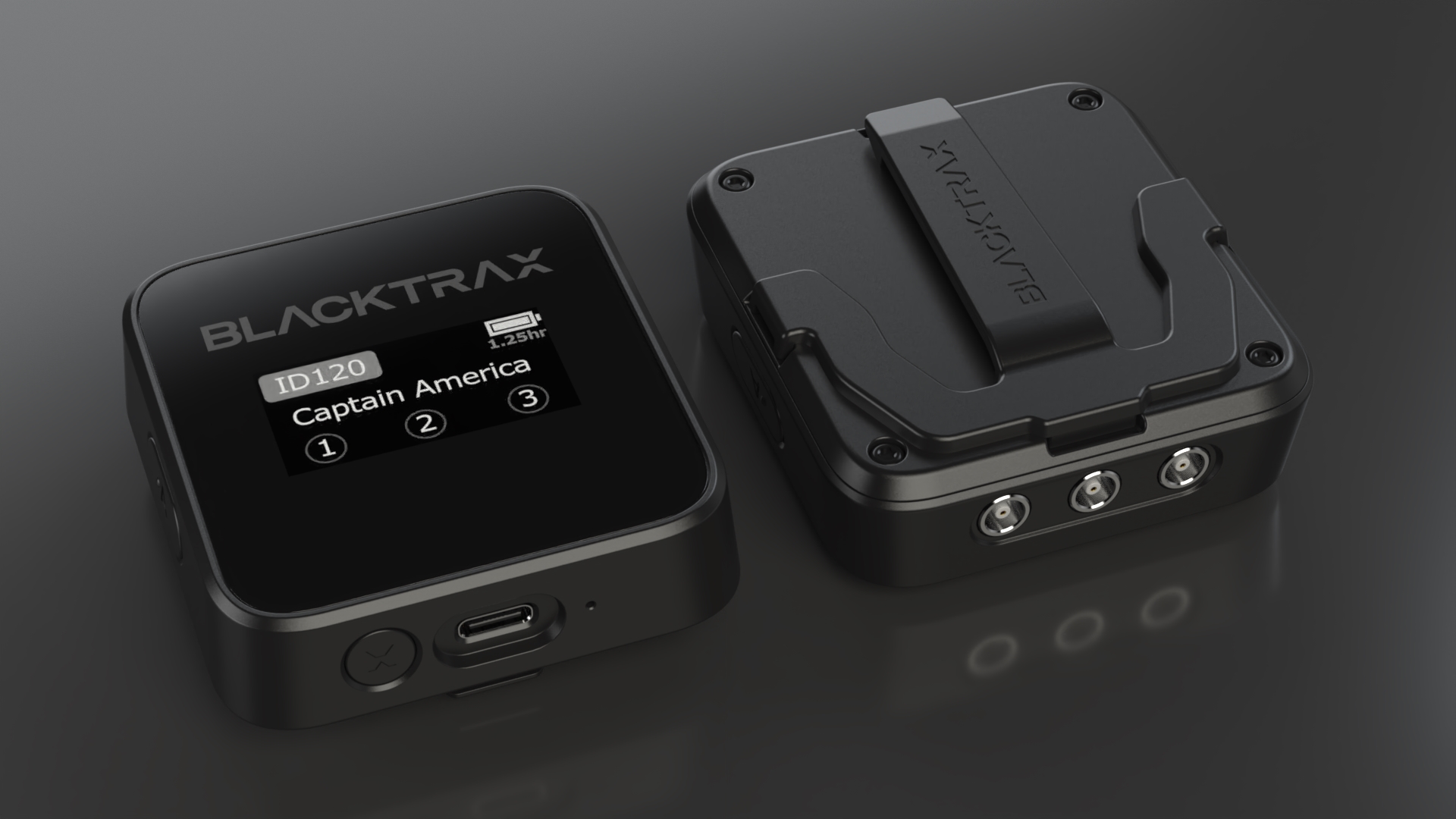
On new products, PDE treats low power as a design requirement from the start, and the Electronics Design team sizes the power system and battery management to the same budget. The BlackTrax Beacon 2.0, a battery-powered belt pack worn by performers, runs PDE's C/C++ firmware on an STM32L4, a low-power ARM Cortex-M4F microcontroller, with battery charging designed into the same board.

BlackTrax Beacon 2.0 belt pack with its OLED status display showing remaining battery time, firmware by PDE
Existing Products

Taking Over Existing Firmware

Many PDE engagements are firmware-only, on a board or product that already exists. That includes adding a driver or protocol stack, migrating to an RTOS, and low-power work on a product already shipping. PDE gets the code building reliably and maps how it behaves before changing it, then documents what it finds so your team is not left with another black box.

Firmware usually becomes hard to maintain for predictable reasons:

  • The original developer has moved on and the design lives only in the code.
  • The build is not reproducible: it depends on one compiler version or IDE setup on one machine.
  • Faults are intermittent: resets, lockups, or corrupted data that point to race conditions, stack overflows, or unhandled error paths.
  • The platform is ageing: new features need an RTOS the code was never structured for.
  1. Get it building. A reproducible build from the source you have, under version control.
  2. Map how it works. Tasks, interrupts, memory use, and hardware interfaces documented before anything changes.
  3. Reproduce the faults. On the bench, on the real hardware.
  4. Fix, restructure, or migrate. Targeted fixes where the structure is sound, an RTOS migration or restructuring where it is not.
  5. Hand it back documented. Source code and documentation transfer fully to you.
Our Standards

Firmware Your Team Can Maintain

PDE writes firmware to documented in-house standards for C code, error handling, and release versioning, so code from different developers and different projects reads the same way. The source, documentation, and version history transfer to you, and the next developer, at PDE or on your own team, starts from code they can follow.

A Documented C Standard

Naming, formatting, file structure, scope, and documentation follow one written standard, so a module reads the same whoever wrote it.

Consistent Error Handling

Errors are detected, reported, and cleaned up the same way throughout the code, so a fault in the field can be traced instead of guessed at.

Versioned Releases

Every release carries a semantic version number that says whether it is a fix, a new feature, or a breaking change, with its history kept under version control.

From the Portfolio

Products With Firmware We've Shipped

VELscope Vx
Medical

VELscope Vx

The VELscope Vx is a hand-held device that provides dentists and hygienists with a portable examination system for the early detection of a wide variety of oral diseases, including pre-cancer and cancer. It is the only non-invasive adjunctive device clinically proven to help discover occult oral disease.
View Case Study
Mobile Gateway
Emergency

Mobile Gateway

The InMotion Mobile Gateway is a ruggedized in-vehicle networking platform that delivers reliable broadband connectivity for mobile responders and fleet operations. Acting as an onboard wireless router, it combines multi-network cellular, Wi-Fi, and wired connectivity to give field teams secure, real-time access to mission-critical data regardless of location.
View Case Study
FAQ

More Questions We Get Asked

Does PDE write firmware without also designing the hardware?

Yes. PDE takes on firmware for boards that already exist, whether designed by your team or another firm. 3Z designed the RF Vision hardware and brought PDE in to build the embedded Linux system that runs on it. When a project needs it, PDE also develops firmware alongside the electronics and mechanical design in the same team.

Which RTOS, processors, and development tools does PDE use?

PDE writes C/C++ firmware bare-metal or on FreeRTOS, ThreadX, and Zephyr, and builds embedded Linux systems where the product calls for one. Processor experience includes ARM Cortex-M (Cortex-M1, Cortex-M4 and Cortex-M33 parts), MSP430, and 8-bit PIC. Tools depend on the target: STM32CubeIDE, MPLAB X, Code Composer Studio, ModusToolbox, Simplicity Studio, and IAR, plus TouchGFX for graphical displays. PDE is a Texas Instruments Elite Design House and a Renesas Design House Partner.

What wireless protocols does PDE write firmware for?

PDE’s firmware work includes WiFi, Bluetooth Low Energy, and Z-Wave, with MQTT for cloud messaging, all of which run together on the iGuard. Radio hardware, antennas, and wireless certification are covered under RF & Wireless, and device-to-cloud architecture under Connected Products & IoT.

Can PDE add a bootloader, secure boot, and over-the-air (OTA) firmware updates?

Yes. PDE builds bootloaders, firmware code signing, and OTA update paths in from the start rather than retrofitting them after launch, because the memory layout and update mechanism are hard to change once devices ship. The iGuard firmware uses secure boot and receives OTA updates over its MQTT cloud connection, and the Beacon 2.0 can be reprogrammed from its dock over USB-C. Fleet-wide update management and device security are covered under Connected Products & IoT.

How do I make my product comply with the EU Cyber Resilience Act?

For a new or existing product, complying with the EU Cyber Resilience Act (CRA) comes down to three things: shipping the product secure by default, running a lifecycle process for security updates and incident reports, and classifying the product correctly under the Act. Firmware carries much of the first two, through secure boot, signed firmware, and an update path. See Connected Products & IoT for security across the device and the cloud.

How do I reduce firmware memory usage to fit a different part or add features?

Once compiler optimizations are applied, the next step is the memory map. It shows what the optimizer could not catch: buffers sized larger than they need to be, code that stays in the binary because something still references it, and a memory layout that leaves too much unusable space. Recovering that space can let a product move to a different processor or make room for new features.

Does PDE do FPGA design?

Yes. PDE designs FPGA logic in Verilog and VHDL using Vivado Design Suite and Quartus, for Xilinx and Intel/Altera parts, when a function has to run faster or with tighter timing than a microcontroller can manage. PDE is a member of the AMD Partner Network.

Can firmware development start before the custom circuit board is ready?

Yes. On PDE’s full product development projects, firmware development begins on development kits before the custom board exists, and firmware developers help choose the processor so it has the memory and peripherals the code needs. When the first boards come back, the firmware is brought up on them. See Full Service Product Development for how the phases fit together.

Do we own the firmware source code PDE writes?

Yes. All intellectual property PDE produces on an engagement, including design files, source code, and documentation, transfers fully to the client. Documentation and knowledge transfer happen at every phase gate, and clients take part in technical decisions through shared Jira and Confluence workspaces.

How does firmware relate to PDE's other services?

Firmware is the code running on the device itself. Electronics Design is the board it runs on, Software Development covers the cloud, mobile, and web applications above it, and Connected Products & IoT architects device, firmware, and cloud together, including fleet security. For products that need every discipline from the first concept, see Full Service Product Development.