Connected Products and IoT

Where Most Connected Product Projects Start

Connected product development is the work of building a device, its firmware, its wireless link, and the cloud behind it as one system. At PDE all four are developed by one team. Most projects start from one of three situations.

“How do we make our product connected?”

Connectivity defined by what it's for, with the radio, firmware, and cloud chosen to serve it.

How we add connectivity

“How do we keep our device secure?”

Secure boot, encrypted communications, and device authentication designed in across device and cloud.

How we secure connected devices

“How do we get from pilot to fleet?”

A cloud sized for today's devices, tested for tomorrow's, with OTA updates and fleet management in place.

How we scale to a fleet
Situation 1: Making a Product Connected

How Do I Make My Product Connected?

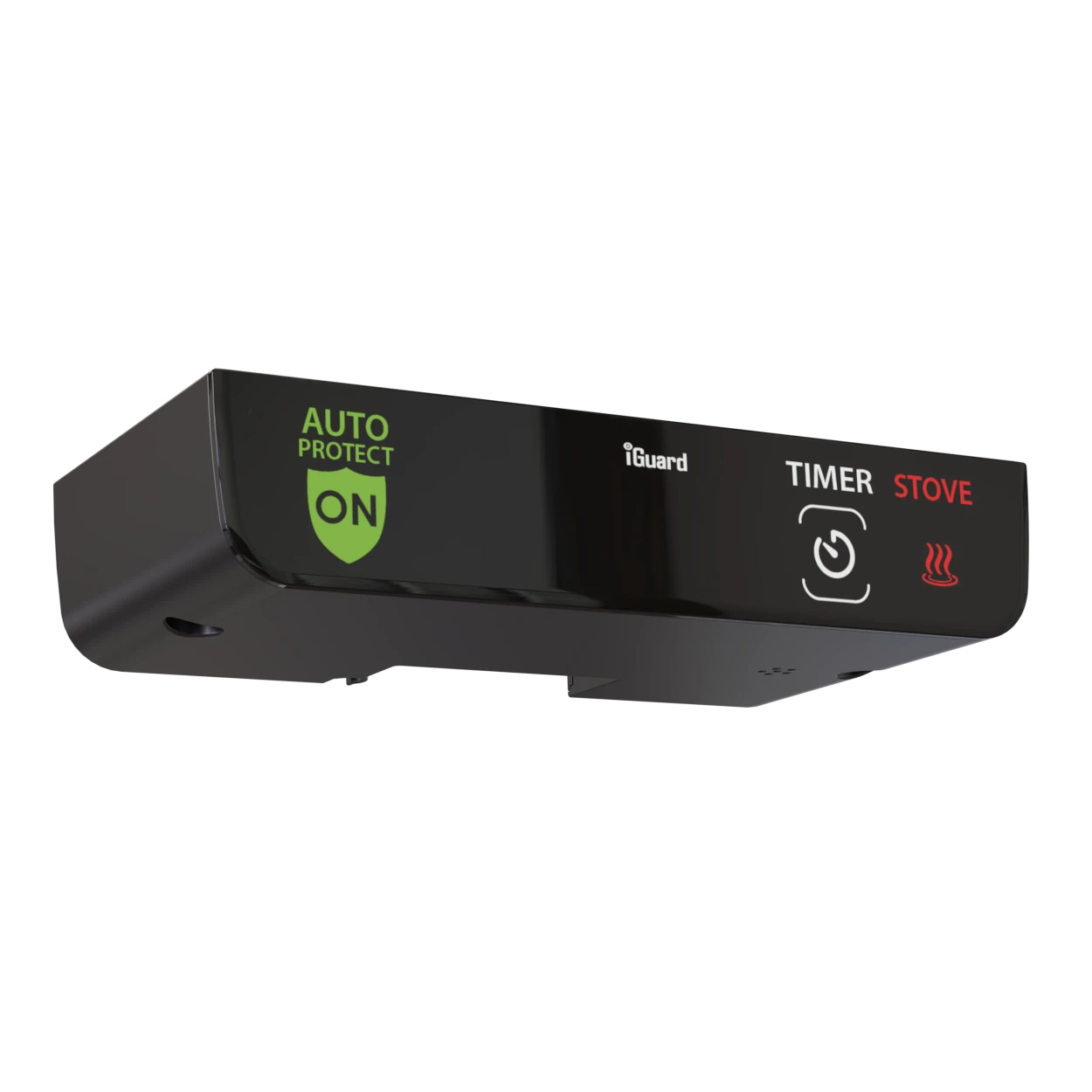
Start from what the connection is for, then choose the radio, firmware, and cloud to serve it. Remote monitoring, over-the-air updates, and smart home integration each put different demands on the device. PDE defines those requirements with you, selects the wireless technology, and develops the device, firmware, and cloud integration together, as it did for the WiFi, BLE, Z-Wave, and MQTT connectivity in the second-generation iGuard stove safety device.

  • What the connection is for: remote monitoring, control from a phone, over-the-air updates, or integration with a smart home or third-party platform. Each sets how much data moves, how often, and in which direction.
  • Where the device lives: indoors or out, in a building with WiFi or a field with none, above ground or behind a concrete wall. Location narrows the wireless options before anything is tested.
  • Which wireless technology: BLE, WiFi, cellular (including CAT-M1 and NB-IoT), LoRa, or Z-Wave, chosen for range, power, data rate, and coverage where the product will actually be installed.
  • What changes on the board: a radio, an antenna with room around it, a power budget that covers transmitting, and a processor with the memory to run the protocol stack and security.
  • What runs in the cloud: an endpoint the device talks to, such as an MQTT broker, a backend to store data and commands, and the app or API people use to reach it.

iGuard Home brought PDE a stove safety device whose first generation had already proven itself. The second generation of the iGuard needed full wireless connectivity: WiFi, BLE, and Z-Wave, plus MQTT-based IoT platform integration for remote monitoring, device management, and over-the-air updates. PDE developed the three custom PCBs, the firmware, and the IoT integration, and took the product through FCC and ISED certification.
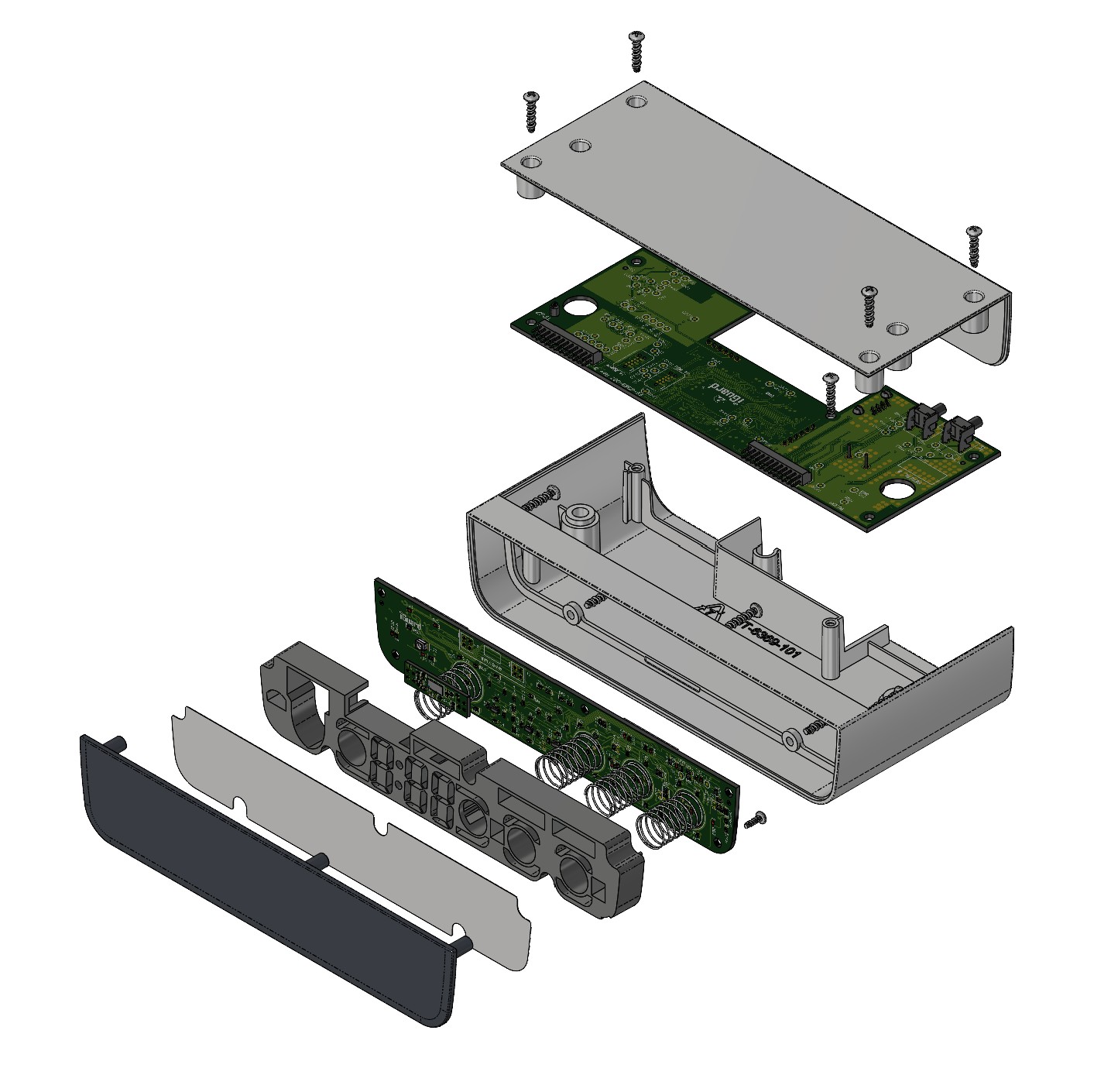
Exploded CAD view of the iGuard stove safety device showing its enclosure, faceplate, and custom circuit boards
Situation 2: Securing the Device

How Do I Secure an IoT Device?

Security has to be designed into the device, the connection, and the cloud together, starting at the first architecture review. On the device, that means a secure bootloader and signed firmware so only authentic code runs. Between device and cloud, it means encrypted communications and certificate-based device authentication. In the cloud, it means keeping each customer’s data isolated. PDE designs all three layers in one team, with no separate security firm to coordinate.

  • Secure boot and code signing: the bootloader checks the firmware's signature before running it, so a device only runs code its manufacturer released. The same check protects over-the-air updates from tampered images.
  • Encrypted communications: data between the device and the cloud is encrypted in transit, so it can't be read or altered on the way.
  • Certificate-based device authentication: each device proves its identity to the cloud with its own credential, so the backend knows which device it's talking to and can cut off one without affecting the rest of the fleet.
  • Data isolation in the cloud: multi-tenant isolation and database encryption keep one customer's data separate from another's.
  • Regulatory pressure: regulators in several markets are introducing baseline cybersecurity requirements for connected products, such as the EU Cyber Resilience Act. A product with security designed in from the start is in a better position to meet them than one that needs a retrofit.

Security decisions made on the device constrain the cloud, and the reverse. A secure bootloader needs room in flash and a processor that supports it; an update server needs to sign what the bootloader will accept. On the iGuard, PDE's firmware runs on an ARM Cortex-M33 with secure boot, and over-the-air updates are delivered through the same MQTT-based platform used for remote monitoring. The same team designs the security from the bootloader to the database.

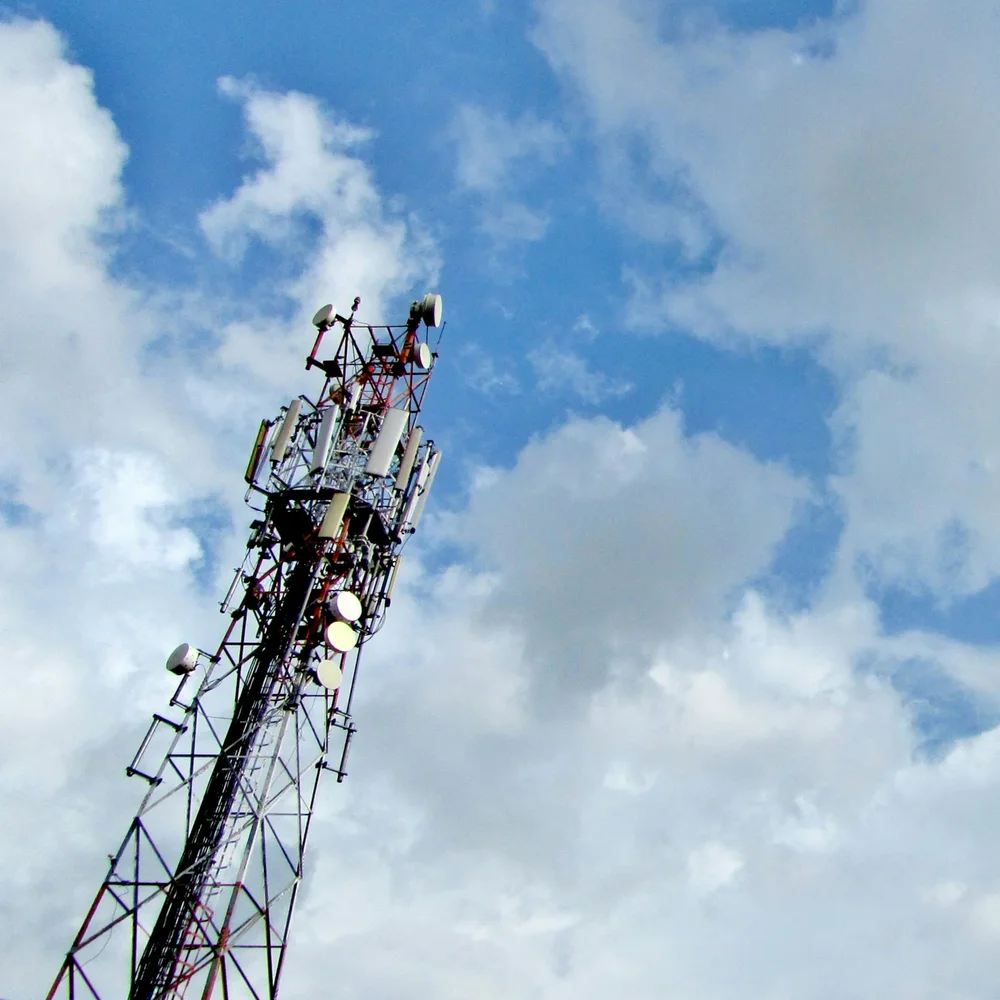
A cellular tower carrying antennas for the networks connected devices report through
Situation 3: From Pilot to Fleet

How Do I Scale from Pilot to Fleet?

Build the cloud for the devices you have now, with a clear path to the fleet you expect, and put update and monitoring tools in place before the first unit ships. PDE sizes the cloud architecture to the pilot, tests for the failures that only appear when many devices report at once, and builds in over-the-air updates and fleet management so deployed devices stay visible and maintainable.

  1. Size for where the product is. A pilot needs a backend that is quick to build and change, not one designed for millions of devices before the requirements are settled.
  2. Test the edge cases that come with numbers. Devices that power on together report together. Synchronized traffic can slow the server until devices time out and data is lost.
  3. Buffer and batch. A queue absorbs bursts of incoming data, and batched database writes share the overhead of each insert, often without changing databases.
  4. Pay for what you use. Usage-billed cloud services scale up for a large test and back down afterward, which keeps pilot-phase costs in line with pilot-phase traffic.
  5. Plan for devices you can't touch. A bootloader with an over-the-air update path and fleet management tooling keep deployed devices visible and maintainable after they leave the bench.
Grain silos in a field with a monitoring sensor mounted nearby
From the Portfolio

Connected Products We've Shipped

iGuard For Stoves and Cooktops
Consumer Electronics

iGuard For Stoves and Cooktops

iGuard Home had a first generation forgotten cooking fire safety solution that was already saving lives and protecting homes. The second generation had to be a product every household would put on the counter: consumer-ready aesthetics, hidden sensor technology, wireless connectivity, and smart home integration, all delivered by one development partner across every discipline the redesign required.
View Case Study
Guardian
Agriculture

Guardian

The AGI Westeel Guardian is a product that protects a farmer’s stored crops by continuously monitoring it for spoilage. A network of temperature and humidity sensors are in constant contact with the grain looking for increases in temperature and humidity, which is an indicator for grain spoilage.
View Case Study
Security-First, Scalable, Device-to-Cloud

Capabilities in Practice

Connectivity

Device-to-cloud connectivity chosen for the product's actual range, power, and bandwidth needs rather than defaulted to whatever protocol shipped last time. See RF & Wireless for the radio design itself.

Cellular (CAT-M1, NB-IoT), WiFi, BLE, LoRa, Z-Wave, MQTT, TCP/IP.

Cloud & Software

Cloud backends on AWS, Azure, and Google Cloud with multi-tenant data isolation, built to scale from a handful of pilot devices to a production fleet. See Software Development for the discipline on its own.

AWS, Azure, Google Cloud, cloud cost optimization.

Security & Fleet Management

Secure bootloader, firmware code signing, encrypted communications, and certificate-based device authentication designed in from the start, with OTA updates and fleet management to keep deployed devices visible.

Secure boot, code signing, device authentication, OTA updates, fleet management.

FAQ

More Questions We Get Asked

Cellular, WiFi, BLE, or LoRa: which connectivity should an IoT product use?

It depends on where the device is installed and how much data it sends. BLE suits short-range pairing with a phone, WiFi suits homes and buildings with an existing network, cellular suits devices spread across wide areas with no local network, and LoRa suits small amounts of data over long range at low power. Streaming video rules out LoRaWAN; a few bytes a month makes a 5G modem overkill. The radio circuit and antenna design itself is covered under RF & Wireless.

Does a cellular IoT product need carrier certification?

Usually yes. Carriers require formal certification before a device can be deployed commercially on their networks, and each carrier runs its own program. See Compliance & Certification for the full regulatory process.

What does PDE build on the cloud side of a connected product?

An endpoint the device talks to, such as an MQTT broker or an HTTP API, a backend that stores data and commands, and the interface users or third parties reach it through, whether a web app, a mobile app, or an API. PDE builds cloud backends on AWS, Azure, and Google Cloud with multi-tenant data isolation. See Software Development for cloud, mobile, and web work on its own.

What makes connected product development different from building hardware and software separately?

Security, cloud scalability, and regulatory alignment get decided as part of the hardware and firmware architecture from the first design review. Adding them after the device is built and the cloud backend is committed to a data model requires rework. When PDE develops all of it in one team, problems at the interface between device and cloud get caught in design review rather than in the field.

Can PDE add cloud or firmware work to a device that already exists?

Yes. PDE takes on firmware-only and software-only engagements, including cloud backends for products already in production and firmware work on boards that already exist. See Firmware & Embedded and Software Development. Earlier involvement leaves more room to design security and update paths in rather than work around them.

Who owns the firmware, cloud code, and design files when the project is done?

The client. All intellectual property PDE develops, including design files, source code, and documentation, transfers fully to the client. Clients also work in shared Jira and Confluence workspaces with PDE’s team throughout the project.

How does Connected Products & IoT relate to PDE's other services?

Connected Products & IoT is Full Service Product Development applied to products where security, cloud scalability, and fleet management are core requirements. It draws on Firmware & Embedded for the device code, Software Development for the cloud and apps, RF & Wireless for the radio and antenna, Electronics Design for the board, and Compliance & Certification for FCC, ISED, and carrier approval.