Compliance and Certification

Three Questions Bring Most Teams to Us

Most compliance conversations start with one of three situations. Each has a different answer, a different cost, and a different clock running. Here's how we handle each one, backed by 40+ products taken through certification and a first-pass success rate above 90%.

“Can you fix my failed FCC emissions test?”

Root-cause diagnosis in our in-house RF chamber, a fix ranked by least disruption to your design, and a verified pre-scan before you go back to the lab.

How we fix failed emissions

“Which certifications do I need?”

A certification plan mapped to your radios, power source, and target markets, so nothing surprises you at the lab or at launch.

How we plan certification

“A part went obsolete. Do I recertify?”

A clear call on whether the replacement needs no filing, a permissive change, or a new certification, with the test data to back it up.

How we handle part changes
Situation 1: The Lab Said No

How Do I Fix a Failed EMC Test?

Find the source of the emissions, then fix it with the smallest change that clears the limit with margin. Most emissions failures trace back to a short list of sources: clock and data line harmonics, switching power supplies, cables acting as antennas, and gaps in grounding or shielding. We reproduce the failure in our own RF chamber and find the source, even for products we didn’t design.

  1. Read the lab report. The failing frequencies, whether the failure is radiated or conducted, and the margin to the limit usually narrow the suspects before anything is powered on.
  2. Reproduce it in-house. We recreate the failure in our own RF chamber with spectrum analyzers and EMI probes, saving you a visit to the EMC test lab.
  3. Isolate the source. Probing, selectively disabling circuits, and rerouting cables pin the emission to the specific circuit, trace, or cable responsible.
  4. Fix it in order of least disruption. Firmware and configuration changes first, such as clock settings, edge rates, and spread spectrum. Then component-level fixes like filtering, ferrites, and termination. A board respin or shielding change only when the problem demands it.
  5. Verify before you resume formal testing. After we are confident with the fix, book a condensed pre-compliance scan at the EMC test lab to confirm. This gives you the best chance at a pass instead of another gamble.

If the failure is in a radio's transmit path, our RF & Wireless designers work the problem on the same bench.


A person at a desk reviewing a failed test result
Situation 2: Getting to Market

Which Certifications Does My Product Need?

It depends on what the product transmits, how it’s powered, and where it will be sold. Most electronic products sold in the US need FCC authorization, and every radio, cellular connection, and new market adds approvals on top. We map the full list for your product, then manage the testing with our accredited lab partners and the filings through to grant.

  • Where you sell it. The United States (FCC), Canada (ISED), the European Union (CE), Japan (MIC/VCCI), and South Korea (KC) each have their own test standards, documentation, and labeling rules.
  • Whether it has a radio. A product with no intentional transmitter generally needs unintentional emissions compliance, such as FCC Part 15 Subpart B. Add WiFi, Bluetooth, LoRa, or another radio and it needs formal radio certification in each market.
  • Whether it connects to a cellular network. Cellular products typically also need PTCRB certification and carrier approval, such as Verizon or AT&T, before the network will accept them.
  • Whether it uses a pre-certified module. A pre-certified radio module can shorten the list, but only when it's integrated within the module's grant conditions. The finished product still needs its own emissions compliance.
  • How it's powered. Mains-powered products often need product safety compliance, and in some cases product listing as well. It's separate from EMC and radio approval, so we flag it in the plan instead of letting it surface late.

The deliverable is a certification plan: each required approval, the standard behind it, and the order to pursue them in. The formal testing is done at an accredited lab; PDE books it with its lab partners and manages the submission. Before booking lab time, we run pre-compliance on your current hardware. "Almost ready" is the cheapest point to find a problem. Test early, test often. Bring us in early in the R&D cycle to catch electromagnetic interference (EMI) and design flaws.

An automated test rig used for product validation
Situation 3: Changes in Production

A Part Went Obsolete. Do I Need to Recertify?

Not always. It depends on what the component does and how much the replacement changes the product’s emissions and RF performance. Swapping an equivalent passive part often needs no new filing. Changing a radio module, RF front end, antenna, or anything that sets an operating frequency is far more likely to need one.

FCC and ISED both allow changes to certified products under permissive change rules. In broad terms:

  • No effect on compliance: if the replacement doesn't degrade the characteristics in the original filing, no new filing is typically required. You should still hold test data that shows it.
  • Affects emissions or RF performance: usually a permissive change filing backed by new test data, without starting certification over.
  • Fundamental change: new frequency-determining circuitry or a different radio module generally means a new certification.
  • Other markets and carriers: CE requires the manufacturer to reassess its Declaration of Conformity, and cellular products may need PTCRB and carrier review when the module or its firmware changes.
  1. Review the original certification. Grants, test reports, and any module grant conditions define what the replacement has to stay within.
  2. Compare the parts. We evaluate electrical, RF, and layout differences between the original and the replacement.
  3. Test side by side. Comparative pre-compliance testing on old and new hardware shows whether anything moved.
  4. Take the lightest valid path. We recommend the path, prepare the documentation or filing, and coordinate any lab testing it requires.

Better still, bring us in while you're choosing the replacement. Picking a part that keeps the change in the no-filing category is often cheaper than certifying around one that doesn't.

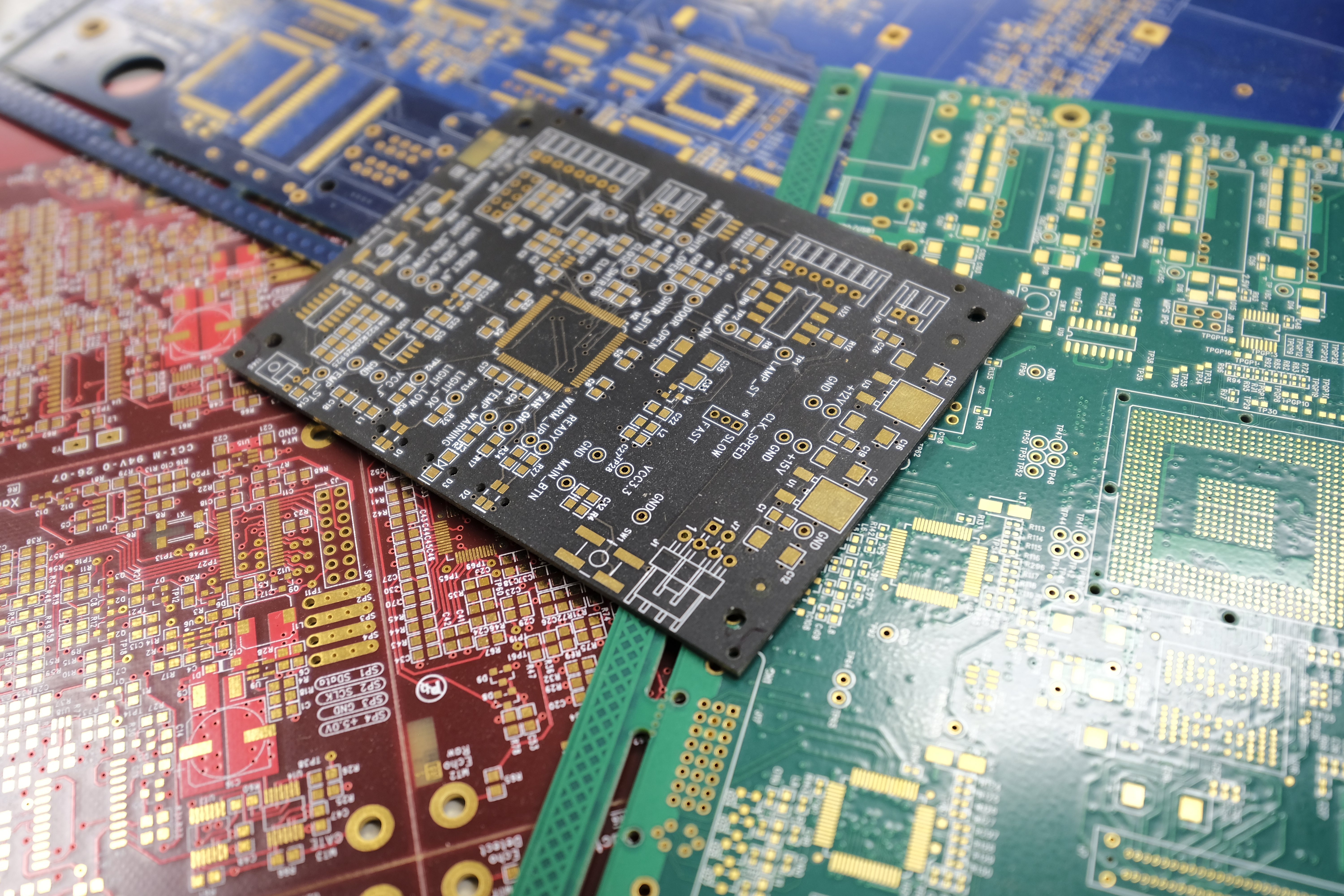
A stack of populated multi-layer circuit boards
From the Portfolio

Products We've Taken Through Certification

Beacon 2.0
Entertainment

Beacon 2.0

CAST Group set out to build the next generation of the BlackTrax Beacon: expand its hardware capabilities, achieve multi-jurisdictional regulatory certification, and prepare it for scalable manufacturing while maintaining tight control over quality, coordination, and execution.
View Case Study
iGuard For Stoves and Cooktops
Consumer Electronics

iGuard For Stoves and Cooktops

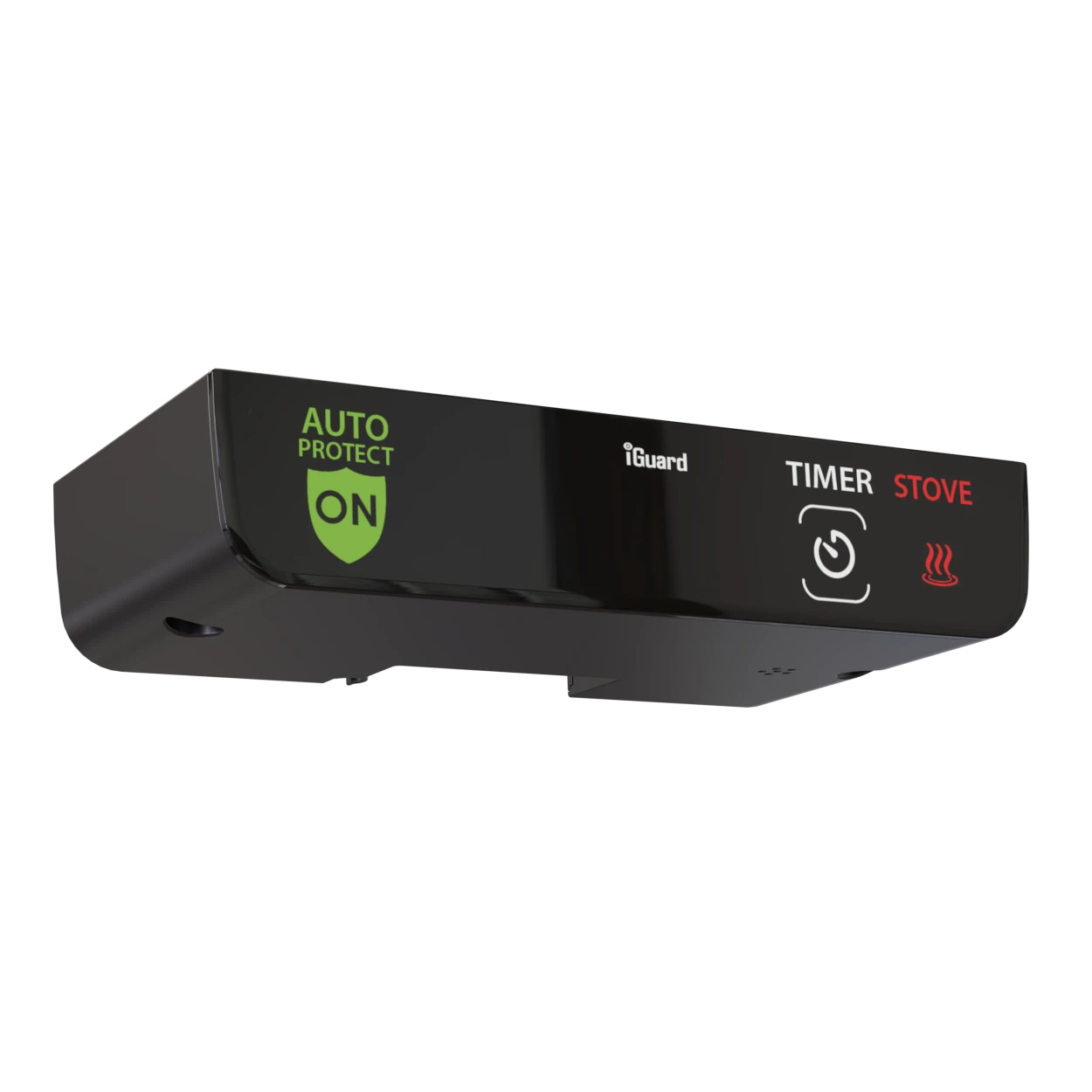
iGuard Home had a first generation forgotten cooking fire safety solution that was already saving lives and protecting homes. The second generation had to be a product every household would put on the counter: consumer-ready aesthetics, hidden sensor technology, wireless connectivity, and smart home integration, all delivered by one development partner across every discipline the redesign required.
View Case Study
Design-for-Certification

Capabilities in Practice

Regulatory Certifications

FCC, ISED, CE, MIC/VCCI, and KC certification managed with PDE's accredited lab partners, from application through to grant. The lab runs the formal tests; PDE prepares the product and the technical documentation a certification body expects to see the first time.

FCC, ISED, CE, MIC/VCCI, KC.

Carrier Approvals

PTCRB and carrier-specific approvals for Verizon and AT&T, managed as their own process on top of the underlying radio certification for cellular-connected products.

PTCRB, Verizon, AT&T.

Pre-Compliance & EMC Debugging

In-house pre-compliance testing catches problems before a design is ever submitted, and design-for-certification is applied from the first schematic rather than as a fix-up pass after layout is locked.

Pre-compliance testing, EMC debugging, design-for-certification.

FAQ

More Questions We Get Asked

Can PDE manage certification for a product it didn't design?

Yes. Emissions debugging, certification planning, and recertification are all offered as standalone engagements for products designed elsewhere. Earlier involvement gives the design-for-certification approach more room to prevent problems instead of fixing them after the fact. Test early, test often. Bring us in early in the R&D cycle to catch electromagnetic interference (EMI) and design flaws.

Which certifications and carrier approvals does PDE manage?

FCC, ISED, CE, MIC/VCCI, and KC regulatory certifications and product safety evaluations, plus PTCRB and carrier-specific approvals for Verizon and AT&T on cellular-connected products. The formal testing is done by PDE’s accredited lab partners.

What is pre-compliance testing, and do I need it?

Pre-compliance testing measures a product’s emissions and RF performance against the same limits a certified lab uses, before the formal test. It doesn’t replace the lab’s formal measurements and test report, but it finds failures while they’re still cheap to fix. PDE runs pre-compliance in its own RF chamber, which is why its submissions clear on the first pass more than 90% of the time.

Do I still need certification if I use a pre-certified wireless module?

Usually yes, but less of it. A pre-certified module can carry its radio certification into your product if it’s integrated within the module’s grant conditions, such as the approved antenna type and gain. The finished product still needs its own unintentional emissions compliance, and cellular products still need carrier approval.

What is design-for-certification and why does it improve first-pass rates?

It means EMC, radio, and regulatory requirements are treated as design inputs from the first schematic instead of a checklist applied after layout is locked. Combined with in-house pre-compliance testing, it’s why PDE submissions clear on the first pass more than 90% of the time.

How does certification relate to PDE's RF, hardware, and mechanical services?

RF & Wireless is the circuit and antenna design that determines whether a radio has a shot at certification. Electronics Design and Mechanical Design cover the board and enclosure decisions, from grounding to shielding, that drive EMC results. Compliance & Certification is PDE managing the finished product’s lab testing, with its accredited lab partners, and its regulatory filings.